
Time Will Tell


As the year turns, we’re writing with neither cheer nor despair, but with attention. Many of us are gathering – around tables, across screens, or quietly within ourselves.
If we could sit with Bob Marley today, we wouldn’t tell him anything he didn’t already sense. He spoke of something moving through the air – a shift you feel before you have language for it. Not prophecy – pattern. Not panic – recognition. A threshold.
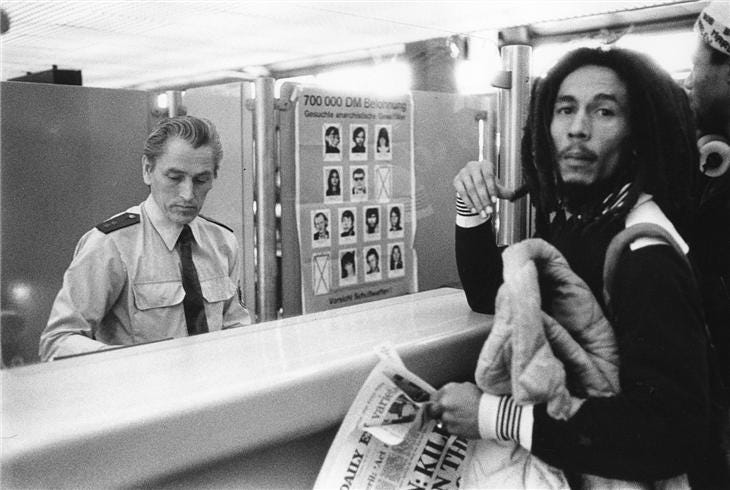
We write at that threshold – one with echoes our grandparents would recognize. Across the world, institutions speak the language of dignity while designing exclusion. Traditions teach care for the stranger while systems turn strangers into threats. People long for peace while being trained, daily, into suspicion and withdrawal.
Belonging is not soft. It is structural. Peace is not luck. It is discipline.
Before naming wars or doctrines, we want to return to a simpler, older question – one every generation eventually faces: what actually holds people together, and what quietly tears them apart?
We know this in our bones and in our lived experience: when people know each other’s stories, fear decreases. Not always, not perfectly – but reliably. Contact across difference changes us.
Across centuries, traditions noticed.
Judaism: “You were strangers.”
Islam: care for “the neighbor farther away.”
Christianity: “I was a stranger and you welcomed me.”
Hinduism: “The guest is God.”
Buddhism: loving-kindness to all.
Sikhism: “No one is my enemy, none a stranger.”
Indigenous Caribbean communities: hospitality and reciprocity as survival, not virtue.
Bahá’í: “The earth is but one country.”
Confucianism: the Silver Rule.
Taoism: the sage does not hoard.
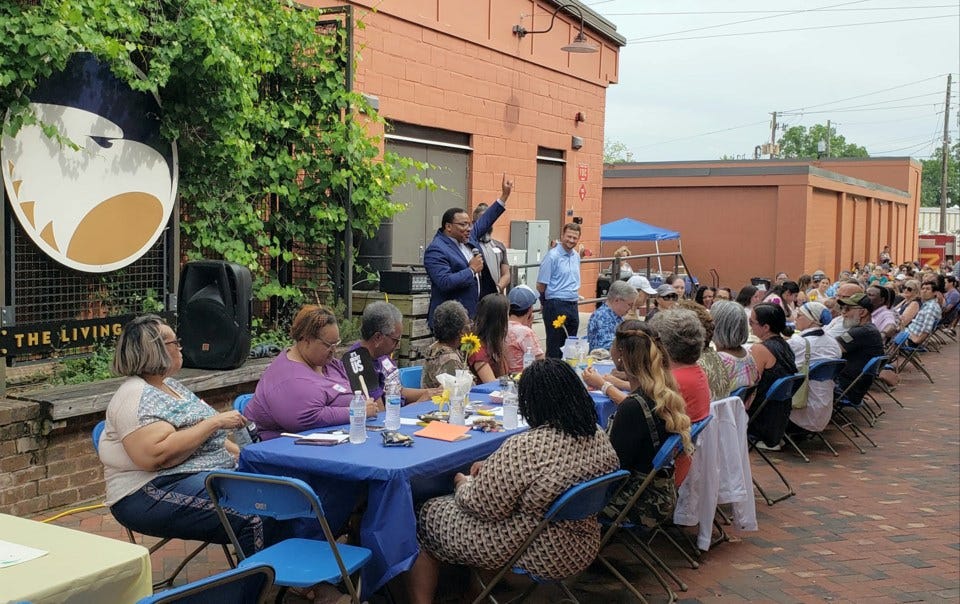
The convergence isn’t coincidence. It’s humans mapping what works. Across geography and theology, the same insight: belonging prevents violence. Belonging doesn’t guarantee peace – but without it, peace cannot last. Restraint of power preserves dignity. Hospitality builds infrastructure. Not because God commanded it – but because humans noticed what tears communities apart and what holds them together.
Traditions institutionalized this wisdom. Sikhism built Langar – community kitchens dissolving caste by feeding all equally. Judaism embedded rest in Sabbath – time liberated from empire’s demands. Islam made redistribution structural through Zakat – obligation, not charity.
Every community has its versions of this. Mutual aid networks. Harambee. Stokvels. Tontines. Labor unions. Community fridges. Time banking. Harm reduction circles. The practices differ. The principle holds.
Belonging is not sentiment – it is infrastructure. When systems cannot see human worth, they replay history’s worst patterns. Peace is not accident – it is architecture. What we build either enables flourishing or ensures harm.
Yet the gap between teaching and practice yawns wide. Not because people are hypocrites – but because systems operate invisibly, harming without feeling.
In Ukraine, scripture teaches restraint of power while the machinery of war keeps moving. In Gaza and Israel, Jewish and Muslim traditions both command care for the stranger – yet borders become sites of dehumanization. In Sudan, Islamic teachings on mercy echo across a landscape of mass atrocities met with global silence. Even within America, Christian teachings on loving the stranger clash with border enforcement that separates families and renders suffering administrative.

This pattern isn’t unique to these places or these traditions. It’s how systems work when belonging infrastructure fails. When we can’t see someone’s humanity, violence becomes policy.
Belonging isn’t what we say. It’s what we build. Peace isn’t what we hope for. It’s what we practice. Silence in the face of injustice betrays our shared humanity.
Will learned music by feel before he knew theory.

He showed up at the Union keyboard late nights, trying things out, listening to what worked. No one handed him a manual. The space invited him in. The instrument was available. Other musicians made room. His hands found patterns. His ear learned to hear. Skill became identity became confidence – all of it built inside relationships that were possible because someone designed a room where music could happen.
Will’s story isn’t singular – Juru, Lester, and Edimbo trace the same pattern.
People become who they are inside relationships. Relationships become possible inside systems.
When a child cannot see themselves in their classroom, their textbook, their teacher’s expectations – belonging fails before it starts. When a worker must hide their accent, their faith, their family structure to survive – mattering becomes impossible. When a nation treats migration as invasion – violence becomes policy. This isn’t bad luck. It’s bad design.
The inverse matters just as much. Traditions understood that you could build the conditions for flourishing. Sikhism’s Langar doesn’t just feed people – it builds tables where caste dissolves because everyone sits and eats as equals. Christianity’s Eucharist doesn’t just remember – it rehearses belonging through shared bread, bodies at one table. Islam’s Zakat doesn’t just help the poor – it makes wealth redistribution structural, written into the year’s rhythm as obligation, not charity.
Every community has designed its versions. Harambee builds schools collectively. Stokvels circulate resources when banks won’t. Cooperatives redistribute ownership. What looks like tradition is often just infrastructure that worked – human design tested across generations.
Belonging is infrastructure we design, not sentiment we feel. The room matters. The table matters. Who gets seen, who gets erased, who gets a chance to try – these are choices, not accidents. Small shifts cascade. One door opened. One table built. One system redesigned.
This isn’t idealism. It’s realism. More African American adults are under correctional control today than were enslaved in 1850. Systems upgrade. Slavery found new forms in Jim Crow, then mass incarceration, now algorithmic surveillance. But wisdom upgrades too. Those who survived exclusion already know how to build across difference – they’ve had to. Communities carry practice, not just trauma.
Peace is something you build, not something that happens to you. Traditions knew this. Prayer is structured pause – attention training, solitude that resists constant noise. Sabbath is rest as resistance – time claimed back from empire’s demands. Fasting is embodied solidarity – shared hunger, consumption interrupted. Service is reciprocity in practice – isolation broken, need witnessed through action. Forgiveness is relational repair – resentment released, cycles broken, futures reopened.
You might call these by other names. Meditation. Boundaries. Conscious consumption. Mutual aid. Letting go. The language changes. The function remains: practices that interrupt harm, redistribute power, make space for repair.
This week, you could try something small. Practice one act of restraint when you hold power – pause before you speak when you’re angry, step back when you’re used to stepping forward. Listen to one person whose life differs from yours, without fixing, without reframing, just listening. Name one system that operates invisibly in your world – at work, at school, in your neighborhood – and speak its pattern aloud to someone who hasn’t seen it yet.
Belonging isn’t theory. It’s practice. It doesn’t require perfection. It requires attention. Peace is this week’s work – and the work of the year that follows. And it begins with what we choose to notice, to interrupt, to build.

Marley understood something we’re learning again: time doesn’t save us – it reveals what we’ve built. Systems eventually show themselves. You can live in what feels like order while structures around you remain unchanged. But time will tell. What remains is endurance and truth-telling – not waiting for rescue, but building what time will expose as real or hollow.
Choose what you can sustain. Small acts accumulate. One table widened. One repair made. One truth spoken aloud.
Belonging is not what happens when we’re lucky. It’s what we build when we’re brave. Peace is not what happens when we’re safe. It’s what we practice when we’re afraid.
Every tradition teaches this. Every generation chooses it anew.
Time will tell the truth about what we chose to build – together.
WeBe,
Dr. G