
Music Theory
Dr. G featuring Will Matthews

This story is part of an ongoing series about how people build belonging in places where it isn’t formally taught – the kind that develops through repetition, resonance, and the courage to keep showing up.
Will’s relationship to music began with a small plastic piano and a father who listened without correcting – a quiet form of belonging, the kind that doesn’t try to fix what it hears. What followed wasn’t a straight path into training or recognition, but a series of rooms where sound became a way of thinking: a Montessori classroom, a student union piano, a third-shift maintenance job, a jam session where everything fell apart.
The turning point didn’t come from a mentor or a class. It came from what he did next – how he rebuilt understanding from the inside out, one video, one pattern, one late-night realization at a time.
If the last essay traced the systems that leave certain people without maps, this one pauses to honor what that absence costs – and what it sometimes makes possible. It shows what it looks like to build one yourself – slowly, quietly, in plain sight, finding home in every room you keep returning to.
Feel first.
Let theory wait.
Keep showing up, and listen for what returns.
WeBe,
Dr. G
The Small Piano
The piano was small enough to fit on a bed. Plastic keys, white and black, numbered one through eight. A tinny speaker beneath them. Maurice set it on the bedspread one afternoon when his son was five, maybe six – the age when hands begin to understand what they’re reaching for.
Will didn’t know what the numbers meant. He pressed them anyway.
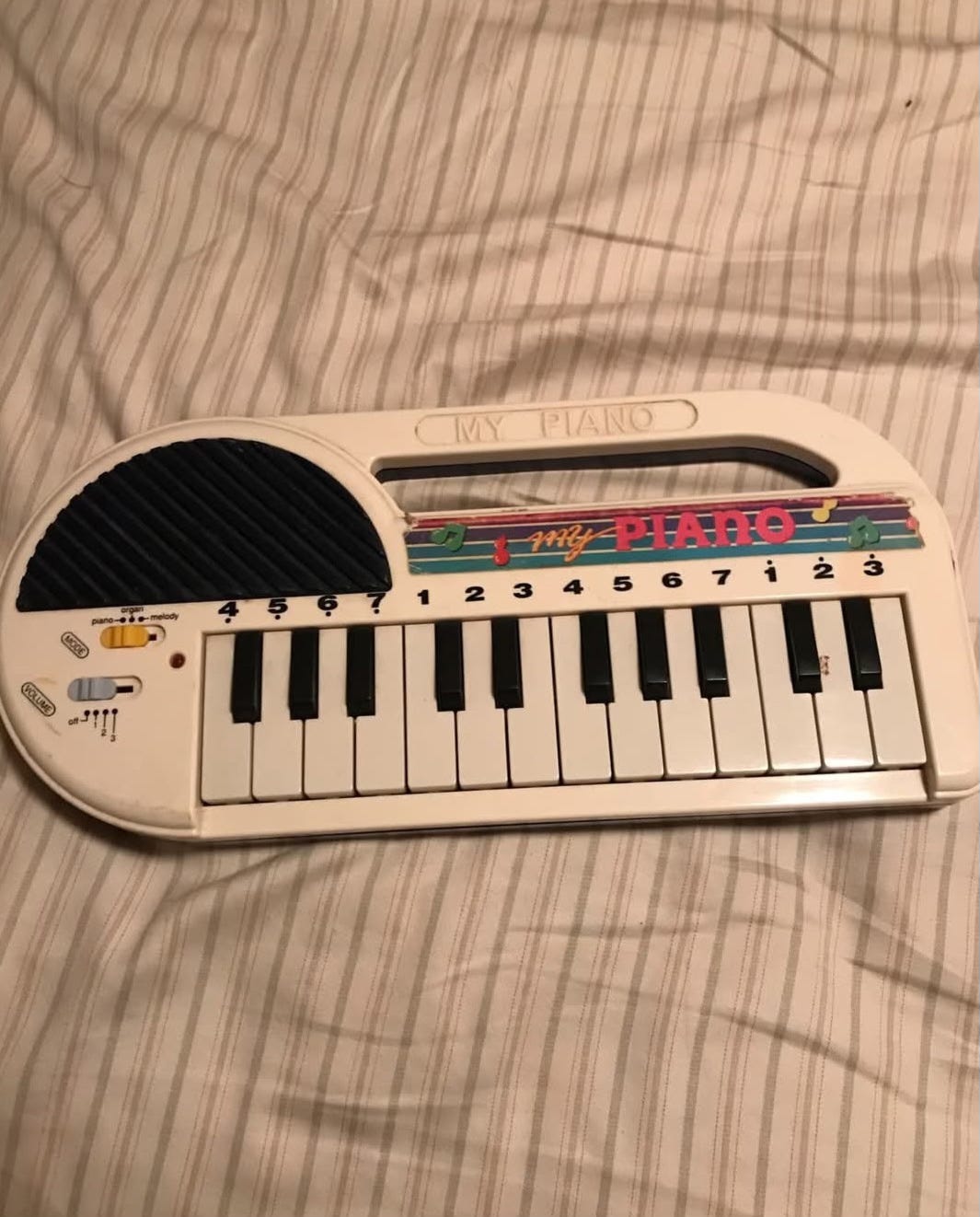
The sound that came out wasn’t music yet. Just notes, one after another, finding each other in the air. But something about the way they connected made sense to him. Not in his eyes. In his hands. In the part of his body that listened before it could explain.
Maurice stood in the doorway. Heard his son playing something – not a song from the radio, not a melody anyone had taught him. Just sound, arranged by feeling. He called for Daphne, Will’s mother. “Look at this. What the hell!?”
They watched. Will kept playing.
There was no lesson in it. No theory, no names for what his fingers were doing. Just a kid finding his way through sound. He didn’t read the notes. He felt them.
Maurice didn’t correct him. Didn’t try to show him the “right” way. Just let his son explore. For Will’s sixth birthday, they bought him a better keyboard – more keys, a fuller range, built-in songs he’d learn by ear and then reshape into his own. The old plastic piano went into a closet, then an attic. Years later, he’d find it again, yellowed keys still intact, and take a photo.
But by then he already knew what it had taught him: music isn’t something you see on a page. It’s something you find in the space between your hands and the sound they make. His father listened without correcting – a different kind of teaching.
Feel first.
Early Tuning
At Craig Montessori, music wasn’t taught. It was just there.
In the back corner of the classroom sat tone bars – long metal rectangles on wooden blocks, arranged like a xylophone. Anyone could play them. No permission needed. Will and his classmates would gather between assignments, one person starting a pattern, someone else answering. They weren’t playing songs exactly – more like conversations in sound. No one was in charge. No one was wrong.
That was the Montessori way – hands-on, exploratory, students setting their own pace. For math, they had physical blocks. For music, they had tone bars. Learning happened through doing.
Will stayed at Craig through ninth grade. Many of his classmates followed him to Montessori IB for high school. Friendships built around sound have a way of lasting.
He grew up on Milwaukee’s north side near Mill Road – a quieter neighborhood then – after his family moved when he was nine. His parents worked steady jobs: Maurice on an assembly line, Daphne answering 911 calls. They weren’t musicians. But they recognized something in the way their son leaned into sound.
In middle school, something shifted. One day in class, Will noticed his central vision was gone. The center disappeared first. Not blurred – just gone. He turned to a classmate. “Wait, are you seeing this too!?” They weren’t. The diagnosis came back: Stargardt’s disease. His central vision wouldn’t return.
For most people, losing sight would mean losing access. But for Will, it just clarified what he’d already been doing – listening, feeling his way through sound. Not compensation. Just continuation.
He didn’t read sheet music before Stargardt’s. He didn’t start after. He kept doing what he’d always done: playing by ear, memorizing through repetition, trusting his hands to find what his hearing told him was there. The music didn’t change. The method didn’t either.
High school felt more traditional – lectures from the front, homework stacks, less room for exploration. He didn’t play sports or join clubs. Mostly, he just went to class and came home. But in the summers, starting tenth grade, he’d take a bus to UW-Madison for PEOPLE – three weeks on campus, living in dorms, getting a preview of college life. He remembers the first morning, walking across a quad so big it felt like a different country, the hum of students moving between buildings like a tide he’d have to learn to read.
It was designed for minority students, early scaffolding toward higher education. He went back for three summers. It wasn’t the same as Craig’s tone bars or his father’s small piano. But it was another room where he could start to hear what came next.
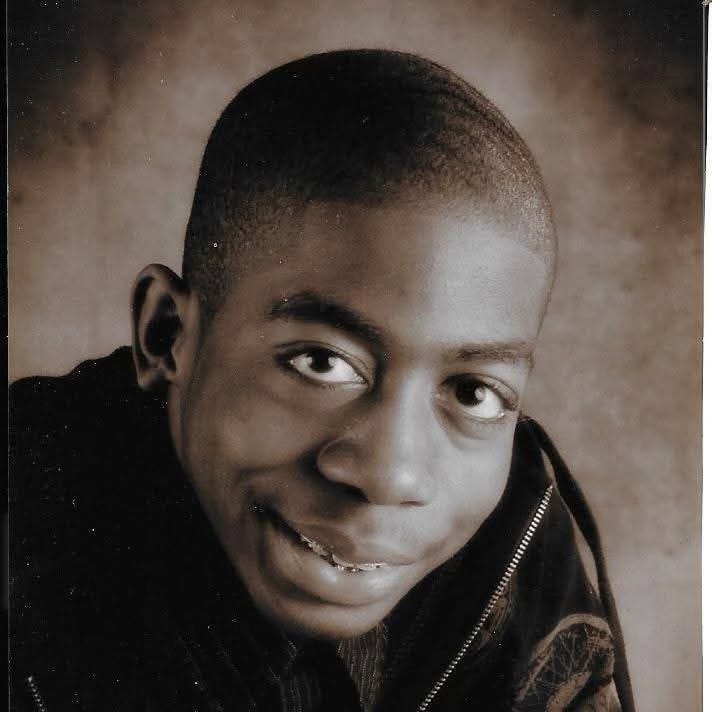
By the time he graduated, he knew two things: his older sister Katherine had gone to college, so he probably would too. And wherever he went, music would come with him. Not because he planned a career around it. Just because it was the way he made sense of things.
Feel first. The theory could wait.
Cardinal Stritch
Will’s first year of college wasn’t where the learning happened. But it was where some of the friendships did.
Cardinal Stritch accepted him quickly. He didn’t have a clear plan – it just seemed like the next room to walk into. The campus was small, Catholic, majority white. He went to class, but not seriously. Mostly he partied. Mostly he met people who would matter later in ways he couldn’t see yet.
Robbie played guitar. They’d end up collaborating years down the line – Will sending piano tracks from Milwaukee, Robbie recording guitar parts in LA and sending them back. The kind of friendship that doesn’t need proximity to stay alive.
But academically, the year was a wash. Few credits transferred when he left. He doesn’t regret it – some rooms teach you something other than what’s on the syllabus. But by the time his second year rolled around, the financial reality was clear. He needed a different path.
UW-Milwaukee offered a scholarship for students with disabilities. Free ride. He transferred.
The Union Piano
At UWM, the music found him again.
The piano sat in the middle of the UWM student union, public and unguarded. A real one – eighty-eight keys, decent sound, open to anyone who wanted to sit down and play.
Will was twenty. He’d heard there might be a public piano somewhere in the student union, and when he found it, he sat down immediately. Not because he was confident. Because he wasn’t. Playing in front of strangers terrified him. But the only way through fear was through.
He started with something safe: a video game soundtrack he’d learned as a kid, reshaped into his own arrangement.
Someone stopped. Listened. Sat down next to him when he finished.
That’s how he met Teddy.
Teddy was studying Japanese, planning to move to Japan after graduation. But before that, he spent a lot of time at the union piano. He and Will had the same hobby – learning video game music by ear, recreating the melodies, trading techniques. When Teddy heard Will playing, he recognized the song. They started talking. Then playing together. Then showing up at the same time, consistently, like a standing appointment neither of them had to name.
Avery came later. Quieter player, softer touch. He showed Will how to smooth out transitions, how to let a phrase breathe instead of pushing through it. They didn’t talk much about theory; they played, watched each other’s hands, traded ideas.
It wasn’t a formal lesson. It wasn’t mentorship in the official sense. It was just three people who kept showing up to the same piano, learning from each other by doing the thing they all loved.
Will is thirty-three now. He still talks to both of them.
In class, he sat near the back, listened, took notes, and left when it was over. The piano was where connection lived. But at the UWM Union piano, belonging wasn’t something he had to announce or perform. It was just there, built through repetition and presence.
He’d sit down. Someone else would sit down. They’d play.
Feel first. The rest came through showing up.
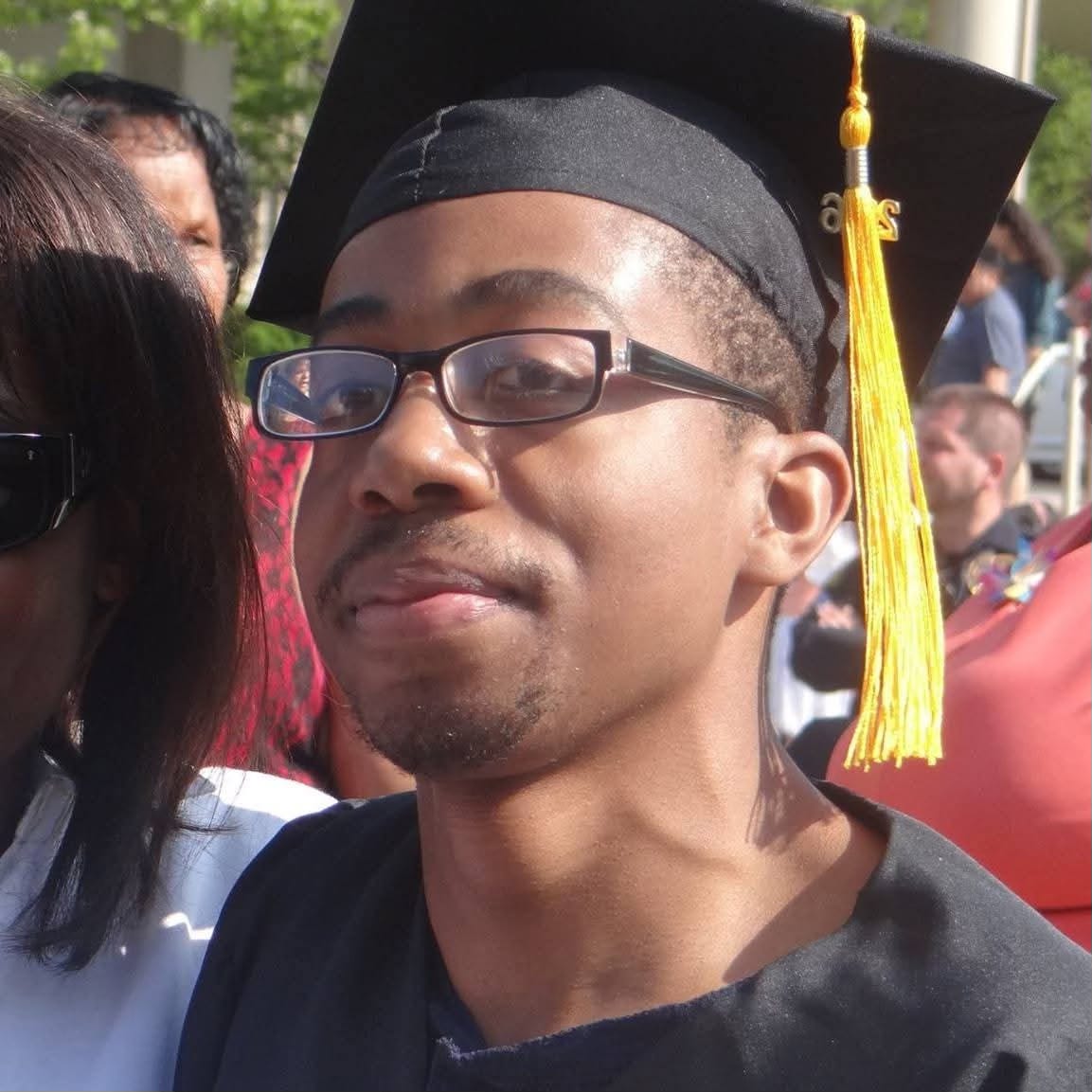
By the time he graduated with a degree in computer science, he knew two things: he’d met the people who mattered most to him at that piano. And whatever job he ended up taking, music wasn’t going to be the thing he left behind.
Music was the thing that made him recognizable to himself.
“I Hate My Life So Much”
The computer science job started fine. Will interned at a startup, passed the coding tests easily, got hired. Software development felt like solving puzzles – clean problems, clear solutions. For a while.
But the work had a way of eating itself. Code he’d written five months ago would break when he added something new. Hours spent hunting for the one line screwing everything up. Then it would happen again. The system kept collapsing under its own weight.
The crunch came during a sprint – twelve days straight, eight-plus hours from home, trying to push a new feature live. By the end of it, he was done. “I hate my life so much,” he told a friend. “I hate this.” The feeling wasn’t dramatic. Just true. He was pouring his life into something that wasn’t his. Time for money. A bad trade he couldn’t keep making.
“I don’t care if it’s sweeping floors,” he said. “I just need to find a different job.”
A friend mentioned an opening at Prospect Towers – third shift, building maintenance. The pay was lower, but the terms were different: as long as the tasks got done and he stayed present for emergencies, the rest of the night was his. He took it.
Downtime at Prospect Towers meant something. He brought a small portable keyboard to work on what he’d failed to do a few weeks earlier.
The jam session had been a disaster. His friend Srijan played guitar and called him up with a drummer. Their keyboard player couldn’t make it. Will said yes, even though he’d never jammed with them before. When they started playing, he was lost. The guitarist shouted chords from across the room – “Play this! Now that!” – and Will froze. Drowning in sound with no way to sort it.
That night stuck with him. Not as shame, exactly. More like a problem he needed to solve.
Hundreds of Videos
The jam session stuck with him. Not as shame but as a problem with a solution.
He had been playing piano for fifteen years. He could recreate almost anything by ear. But the moment someone shouted a chord name from across a room, he froze. He didn’t have the language to translate what he heard into what other musicians needed him to play.
So he made a YouTube channel: Willfox Piano.
The goal wasn’t to go viral. The goal was repetition.
He’d pick a video game soundtrack – something he loved, something intricate – figure it out by ear, record it, upload it, move on to the next one. One became ten, then fifty, then hundreds.
Some videos were polished. Early on, he spent hours editing. Perfect takes. Clean audio. Studio-light precision. After four years, he scaled back. Less editing. More live play. More real time. Practice mattered more than production.
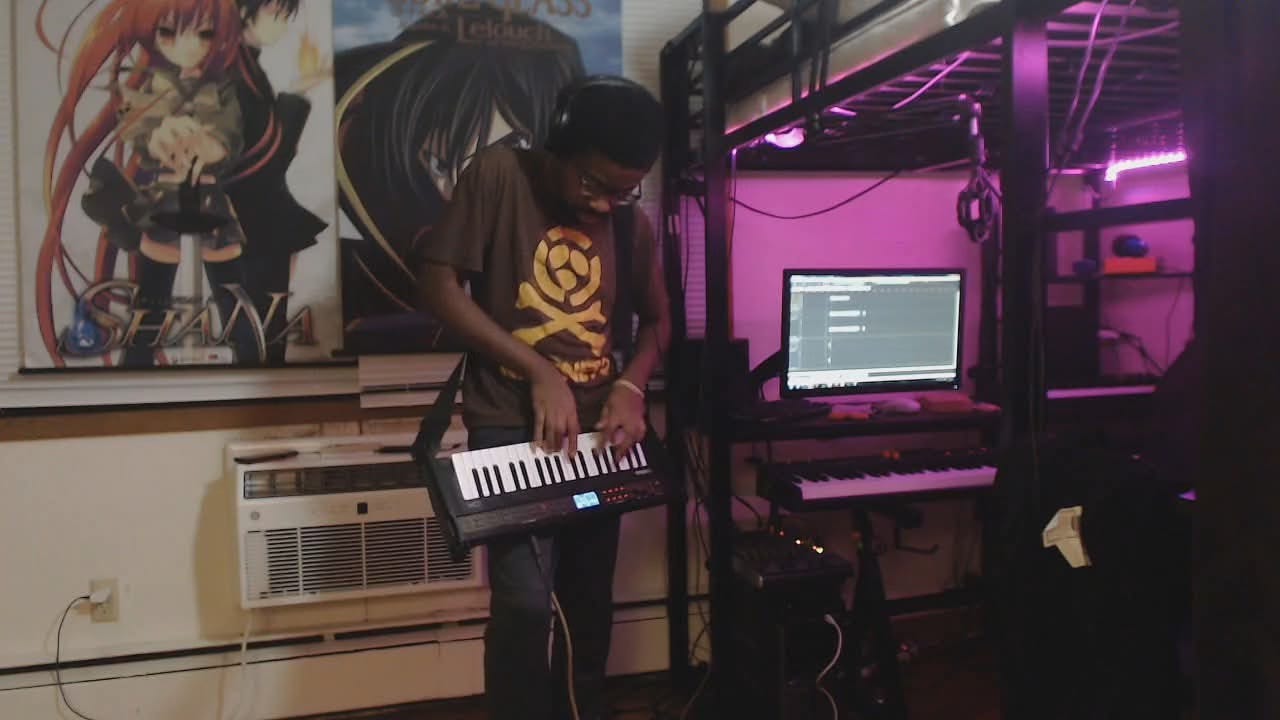
And somewhere in that work, something shifted.
Patterns emerged. Progressions became familiar across keys, across genres. The shapes his hands made stopped being isolated solutions and became relationships – movable, adaptable, shareable.
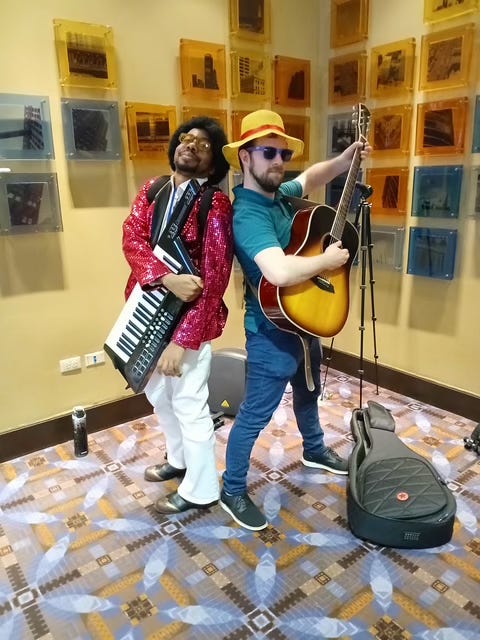
“I made the channel to apply what I learned with theory,” he told me. “And because of the hundreds of videos, I started to quickly recognize patterns in music. That unlocked the ability to jam with anyone with minimum assistance.”
The channel has grown steadily over the years. Not a brand. Not a persona. Just practice in plain sight.
At Prospect Towers, during the overnight shifts between cleaning rounds, he’d watch YouTube videos about music theory – the thing he’d avoided his whole life, the thing he thought would kill his creativity. Music theory wasn’t what he thought it would be. It wasn’t rules. It was language for what his hands already knew.
“It’s like having a freaking map,” he’d say later, “and you can go wherever the hell you want and you won’t get lost.”
“I wasn’t learning to play differently,” he told me. “I was learning how to understand what I was already doing.”
He wasn’t abandoning the method that got him this far. He was adding language to it. Before, he could play what felt right, but if conditions shifted – different key, different tempo, unfamiliar musicians – he couldn’t adapt. He’d just memorized shapes. Now he was learning why those shapes worked.
Feel first. Then learn the names. Then play until the names become instinct.
The theory sharpened what was already there. Gave him a way to hear the distance between notes, to recognize patterns he’d been playing instinctively for years. Functional harmony. Chord progressions. Key relationships. Concepts that had always been there in the music he loved, but invisible to him until he learned to look.
Or rather, until he learned to listen differently.
“It’s Like Having a Map”
The theory didn’t replace what he’d always done. It made what he knew transferable. The names made the shapes shareable – portable across keys, tempos, musicians.
Before, he could play what felt right in the moment. But if someone called out a different key or changed the tempo mid-song, he’d have to stop and recalibrate. Now he could hear where the music was going before it got there. The map showed him not just where he was, but where he could go next.
By the time the shift became visible, he wasn’t at the Union anymore. He’d graduated. Teddy was in Japan. Avery had moved on. But the work they’d started together showed up everywhere else.
New musicians, new contexts. Someone would start a progression at a house party, at an open mic, at a friend’s rehearsal space. Will would answer without hesitation. Someone would shift keys mid-song. He’d follow immediately. No stopping. No recalibrating. Just conversation.
“You just know, don’t you?” someone asked once.
Will shrugged. He did but it wasn’t magic. It was just that the shapes his hands had been making for years finally had names. And the names made the shapes portable.
Around 2021, near the end of the pandemic, he met Jojo at a party. Jojo played guitar in a band – Wonderful Bluffer – and they needed a keys player. Will watched them perform. The sound was tight, energetic, the kind of thing he’d want to be part of. When Jojo asked if he’d be interested, Will didn’t hesitate.
The first show was at The Bend Theater in West Bend – old marquee, red velvet seats, the kind of room where the sound gathers and lifts. Will rolled in his organ, set up, and played. It wasn’t like the jam session years earlier. He wasn’t frozen. He wasn’t lost. He knew where he fit in the soundscape – when to fill space, when to let the guitar lead, when to answer the rhythm section.
He’s still with them. Two bands now, actually. Plus solo gigs – cafes, nursing homes, private events. Each one a different room, a different audience, a different set of expectations. But the method stays the same.
“I can walk into a room and other people are playing music,” he told me. “They don’t have to tell me what key we’re in. They don’t have to tell me what chords they’re playing. I just know.”
And when someone asks how he does it, he doesn’t overcomplicate the answer.
Feel first. Then let the theory tell you why it worked.
“I Just Know”
There’s a café where Will plays some Tuesday nights – Bistro on the Glen, in Glendale. Small place. Two dozen tables, warm light, low ceiling. The kind of room where the piano isn’t background music. It’s part of the atmosphere, part of the way people settle into themselves while they eat or talk quietly across a table.
One night, a couple asked if he knew any Stevie Wonder. Will nodded, set his hands on the keys, and started without hesitation. No sheet music. No chord chart. Just the feeling of where the song lived.
Someone watching asked him afterward how he did that – how he knew the key, how he found the progression so quickly.
Will shrugged, like Teddy had years earlier at the Union piano.
“I just know.”
Theory, Lived
When people talk about music theory, they usually mean scales and notation. Roman numerals and harmonic functions. Will learned that part, eventually. It helped. It made things clearer.
But that isn’t what this story is about.
For Will, music theory is something like a life theory: Listen first. Feel what’s actually happening. Respond instead of forcing. Let understanding come in its own time.
Belonging worked that way. So did purpose. So did friendship. So did the Union keyboard, the jam sessions, two bands, cafe sets, nursing homes on the north side where people close their eyes and remember something they haven’t remembered in years.
He didn’t chase any of it.
He just kept showing up where music lived.
And the map formed around him.
Feel First
The small plastic piano sits on a shelf now, keys yellowed but whole. Maurice didn’t know what he was setting in motion that afternoon. Neither did Will. No lesson plan. No prophecy.
Just sound. Just hands. Just a beginning.
He plays different keys now, in different rooms, for different people. The map stretches farther. The principle stayed the same.
He felt the notes before he could name them. He feels them still.
Feel first. The rest is just theory.
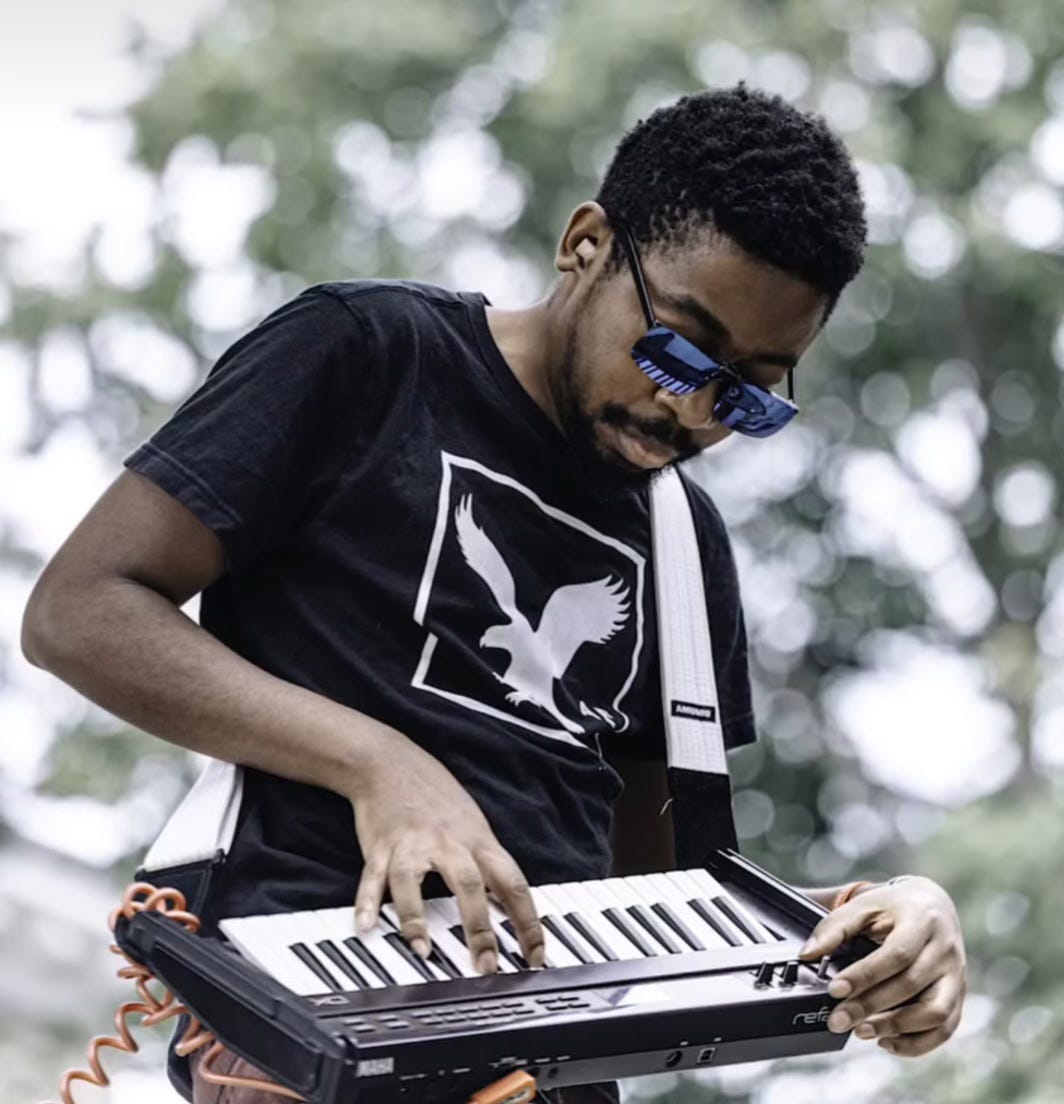
Will Matthews is a Milwaukee musician who performs with Wonderful Bluffer and plays in cafes and nursing homes across the city – places where the piano isn’t background. He works part-time in building maintenance on the north side and posts arrangements on his YouTube channel, Willfox Piano. You can often find him Tuesday nights at Bistro on the Glen. Saint Kate’s has a lobby piano. He’d like to sit down at it someday.
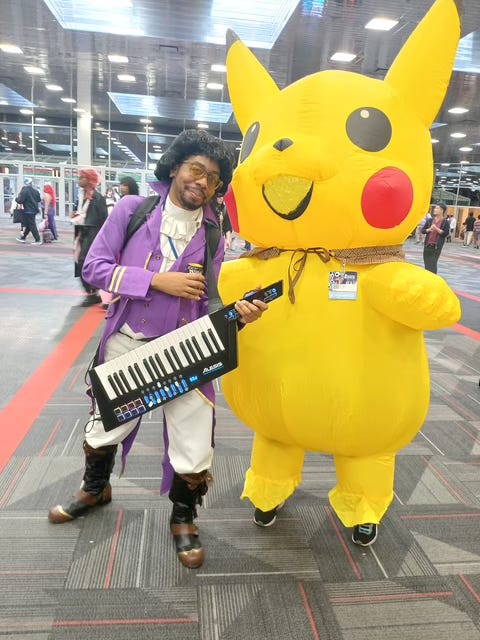
Images and Video Credits
Cover photo courtesy of Will Matthews.
All photographs courtesy of Will Matthews.
Videos courtesy of Will Matthews and Robbie (collaboration) and Wonderful Bluffer (live performance).
Rhoan — Thank you for reaching out this week. Reading Music Theory brought me right back to when we first met — you living across the street as you worked late into the night on your award-winning dissertation, us talking about both of my kids' academic journeys, playing hoops & making a genuine connection
What stayed with me most was the way you captured “listening without correcting” — the patience Maurice and Daphne showed Will, and the reminder to feel first, let theory wait. As a parent & leader professionally, that really hit home.
You have such a gift for telling stories that connect learning, creativity, and belonging. I’m looking forward to reading more of your work and staying in touch. This piece — and hearing from you — absolutely made my week.
Will is such a kind spirit, and I'm so delighted to learn more about his story. Will, your story reminds me why feeling our way through experiences is essential to our humanity - something I hope to see more people embrace. Rhoan, beautiful writing as always. I loved this piece!